
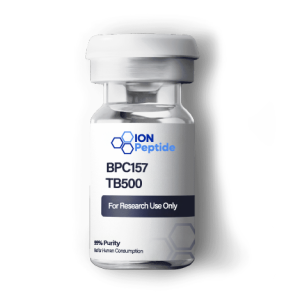
The Basics of Peptides in Health
What Are Peptides?
Peptides are short chains of amino acids linked by peptide bonds, which are the building blocks of proteins. Within the human body, they play critical roles in various biological processes, including hormone regulation, immune response, and tissue repair. These biomolecules can range in size from just two amino acids to thousands, with their specific function largely determined by their sequence and structure. Peptides are naturally occurring molecules that can also be synthesized in laboratories for research and therapeutic uses.
How Peptides Work in the Body
Peptides operate through complex signaling mechanisms, interacting with receptor sites on cells to trigger specific physiological responses. For instance, some peptides can promote the production of hormones, enhance muscle growth, or stimulate the healing process in tissues. Their ability to act as signaling molecules allows them to influence numerous metabolic pathways, making them critical to maintaining homeostasis within the body. The precise impact of a peptide is dictated by its structure, which determines how well it can bind to specific receptors and facilitate a desired action.
Importance of Research in Peptide Applications
Research into peptide applications is crucial for advancing medical science. This exploration not only deepens our understanding of the various pathways peptides influence but also identifies potential therapeutic targets for diseases. Recent studies have begun to illuminate the therapeutic potential of peptides in areas such as pain management, wound healing, and even cancer treatment. Continued research is vital in proving the efficacy and safety of these compounds through clinical trials, leading to well-established medical applications.
Overview of BPC157
What Is BPC157?
BPC157, or Body Protection Compound-157, is a peptide derived from a protein found in gastric juice and is recognized for its remarkable healing properties. This synthetic peptide has garnered significant attention in scientific and athletic communities due to its ability to facilitate recovery from injuries, enhance muscle repair, and promote overall tissue regeneration. BPC157 is thought to play a role in the nitric oxide system, influencing blood flow and helping to stabilize connective tissues.
Mechanism of Action
The mechanism of action of BPC157 is multifaceted. Primarily, it stimulates the formation of new blood vessels, a process known as angiogenesis, aiding in tissue repair by promoting nutrient delivery to damaged areas. BPC157 also modulates inflammatory responses, acting on various pathways to reduce swelling and accelerate recovery times. Moreover, it appears to protect and strengthen various tissues, including muscles, tendons, and ligaments, potentially through signaling pathways that enhance the migratory and proliferative capabilities of fibroblasts and endothelial cells.
Potential Health Benefits
The potential health benefits of BPC157 are diverse and compelling. Research suggests that it may significantly enhance healing in wounds, reduce pain and inflammation, improve joint health, and protect against ischemic damage to muscles. Additionally, athletes have shown interest in BPC157 for its purported abilities to expedite recovery from physical exertion and injury. Though inflammation plays a significant role in the body’s healing process, BPC157 directs the body toward managing inflammation optimally and mediating the repair of soft tissues, suggesting its use in both post-injury recovery and chronic conditions.
Research Insights on Peptides
Current Studies Involving BPC157
Numerous studies are exploring the effects of BPC157 on various health conditions. Research has demonstrated BPC157’s ability to enhance healing in models of tendon injuries, ligament strains, and muscle tears. Studies also indicate its effectiveness in reducing symptoms in conditions such as inflammatory bowel disease and traumatic brain injury by supporting recovery and facilitating repair processes. As scientists explore the safety and efficacy of BPC157, the potential for novel therapeutic applications continues to unfold.
Findings from Recent Research
Recent studies have highlighted several key findings regarding BPC157. Notably, it has been shown to reduce healing times significantly and improve functional outcomes in injured tissues. Research published in various peer-reviewed journals indicates that BPC157 treatment led to improved angiogenesis in damaged tissues, accelerated collagen deposition, and divergent levels of muscle healing compared to control groups. These findings suggest that BPC157 could revolutionize sports medicine and rehabilitation protocols.
Future Directions in Peptide Research
The future directions in peptide research, particularly with regard to BPC157, are promising. As more clinical trials are conducted, researchers aim to clarify the dosage, administration routes, and comprehensive safety profiles for BPC157 in diverse populations. Furthermore, investigations are likely to explore its combination with other therapeutic modalities to enhance treatment outcomes in chronic conditions and sports injuries. Continued efforts in this field could unveil groundbreaking applications for BPC157 and similar peptides in clinical settings.
Challenges in Peptide Research
Regulatory Concerns
One of the primary challenges facing peptide research is the regulatory landscape. Peptides, including BPC157, may not yet be classified under existing pharmaceutical regulations, complicating their path to acceptance in mainstream medicine. Researchers often navigate through a complex web of guidelines that can affect funding and the speed at which clinical trials are approved. It is essential for scientists and policymakers to collaborate to create a framework that supports the safe and regulated use of promising peptide therapies.
Safety and Efficacy Issues
Assessment of safety and efficacy poses another challenge. While initial studies suggest that BPC157 is safe and beneficial, comprehensive clinical trials are required to ensure it meets the rigorous standards of efficacy established for medical treatments. Variability in individual responses and the necessity for long-term data complicate this process. Rigorous testing protocols must be adhered to in order to address potential adverse effects and confirm the therapeutic benefits across different populations.
Funding and Resource Allocation
Funding constraints represent a significant obstacle in peptide research. The innovative nature of peptide therapies often implies higher risks, which can deter investors from committing resources to their development. Grant funding for research studies may also be limited, complicating the ability of researchers to conduct comprehensive investigations and further impede progress in the field. Strategic partnerships with academic institutions, government agencies, and private sectors could help alleviate financial barriers and promote advancements in peptide research.
Getting Started with Peptide Research
How to Choose Peptides for Study
Selecting appropriate peptides for research requires a thorough understanding of their biological properties and potential therapeutic uses. Researchers should begin by reviewing existing literature on various peptides, focusing on their efficacy in in vitro and in vivo models. Additionally, collaboration with clinical experts can provide insight into unmet clinical needs that specific peptides may address. A strategic approach based on scientific evidence and unmet clinical demands can help researchers focus on the most promising peptide candidates.
Best Practices for Conducting Research
To ensure the success of peptide research, adherence to best practices is crucial. Researchers should formulate a detailed research design that includes clear objectives, methodologies, and outcome measures. Rigorous experimental protocols and statistical analyses are essential to validate findings. Collaboration with multi-disciplinary teams can enrich the research process and lead to more comprehensive outcomes. Importantly, transparency in reporting results, whether positive or negative, is vital for the scientific community to learn and advance the field effectively.
Collaborating with Research Institutions
Forming partnerships with research institutions can significantly enhance the quality and scope of peptide research. Collaborations can provide access to specialized expertise, advanced technologies, and regulatory guidance. Additionally, working with established institutions may facilitate funding opportunities and ensure that research adheres to ethical standards. Developing a solid network among peptide researchers can foster innovations and propel the field forward, encouraging shared resources and knowledge exchange.
Frequently Asked Questions
What is BPC157 used for?
BPC157 is primarily used to support healing, reduce inflammation, and enhance recovery from injuries, particularly in muscle, tendon, and ligament repair.
Is BPC157 safe to use?
Current research suggests BPC157 is safe for use, but comprehensive clinical trials are necessary to fully establish its safety profile.
How does BPC157 accelerate healing?
BPC157 accelerates healing by promoting angiogenesis, improving blood flow, and reducing inflammation, thus optimizing the body’s natural repair mechanisms.
Can BPC157 be used in sports medicine?
BPC157 shows potential in sports medicine for enhancing recovery from injuries and reducing recovery times, making it of interest to athletes.
Where can I find more information on BPC157?
For detailed information about BPC157, you can view resources such as research articles and clinical studies, including BPC157 documentation.