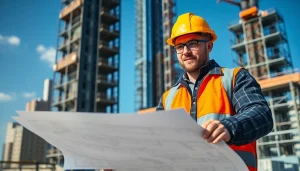

Understanding the Role of a New Jersey General Contractor
A New Jersey General Contractor plays a pivotal role in the construction process, acting as the project manager and the main point of contact between clients, subcontractors, and suppliers. They are responsible for overseeing the overall construction project from inception to completion, ensuring that everything runs smoothly, adheres to regulations, and meets the client’s expectations.
Responsibilities of a General Contractor
The responsibilities of a general contractor are vast and varied, encompassing various aspects of the construction project. Here are some of the key duties:
- Project Planning: They develop detailed project plans that outline timelines, schedules, and budgets, ensuring everyone involved knows what to expect.
- Coordination of Subcontractors: General contractors hire and coordinate the work of subcontractors, ensuring they are well-managed and adhere to the project timeline.
- Permits and Regulations: They handle all necessary permits and ensure compliance with local zoning laws, building codes, and safety regulations.
- Budget Management: General contractors manage the project budget, ensuring that costs stay within bounds and that any unexpected expenses are handled appropriately.
- Quality Control: They ensure that work meets industry standards and client specifications, performing regular inspections throughout the project.
- Communication: Acting as the primary point of contact, they maintain open lines of communication with clients to keep them updated on progress and address any issues that arise.
Licensing and Insurance Requirements
In New Jersey, general contractors must adhere to strict licensing and insurance requirements to operate legally. Key factors include:
- Licensing: Contractors must be licensed through the New Jersey Division of Consumer Affairs. This process ensures the contractor has the necessary qualifications and knowledge.
- Insurance: Comprehensive liability insurance and workers’ compensation are required to protect both the contractor and the client from potential liabilities or accidents that may occur on-site.
- Bonding: Many contractors also obtain a surety bond, which serves as a financial guarantee that the contractor will fulfill their obligations to clients.
Finding the Right New Jersey General Contractor
Choosing a general contractor for your project can significantly impact the final outcome. Here are steps to ensure you find the right match:
- Research: Start by researching potential contractors online, checking their reviews, and visiting their websites to learn about their services.
- Ask for Referrals: Reach out to friends, family, or colleagues who have recently completed construction projects to get their recommendations.
- Interview Candidates: Prepare a list of questions about their experience, the types of projects they’ve managed, and their approach to handling challenges.
- Check References: Always ask for and check references from previous clients to understand their satisfaction level and contractor performance.
- Review Contracts: Once you find a potential contractor, carefully review the contract terms to ensure they align with your expectations and project goals.
Choosing the Best Contractors for Your Project
Evaluating Qualifications and Experience
When selecting a New Jersey general contractor, evaluating their qualifications and experience is crucial. Look for:
- Years in Business: A contractor with a long track record often indicates reliability and expertise in handling various projects.
- Specialized Experience: Depending on your project type (residential, commercial, renovations), choose a contractor with specific experience in that area.
- Certifications: Check if they have additional certifications that validate their expertise in construction management or specific building techniques.
Comparing Quotes and Services
Once you’ve narrowed down your options, it’s essential to compare quotes and the services offered by each contractor. Consider the following:
- Breakdown of Costs: A detailed quote should break down labor, materials, permits, and any additional expenses to give clarity on pricing.
- Scope of Work: Ensure each quote outlines the specific tasks the contractor will undertake, avoiding any hidden fees down the line.
- Payment Terms: Discuss payment schedules and terms upfront to understand when and how payments will be required.
Customer Reviews and Testimonials
Customer reviews and testimonials offer valuable insights into a contractor’s reputation. Look for:
- Online Reviews: Check sites like Yelp, Google Reviews, or Angie’s List to gather feedback from past clients.
- Case Studies: Some contractors provide case studies showcasing previous projects and customer satisfaction, which can help gauge their competence.
- Direct Testimonials: Request direct testimonials from the contractor to hear about clients’ experiences firsthand.
Best Practices in Construction Management
Effective Communication with Subcontractors
Effective communication is the backbone of a successful construction project. Establishing clear communication channels with subcontractors can enhance collaboration and minimize misunderstandings. Consider using:
- Regular Meetings: Schedule weekly or bi-weekly meetings to review progress, address issues, and align on project goals.
- Project Management Software: Leverage tools that facilitate communication among all parties, allowing real-time updates and document sharing.
Budget Management and Cost Control
One of the major challenges in construction is staying on budget. To manage and control costs effectively:
- Develop a Detailed Budget: Map out all costs beforehand, including materials, labor, and contingencies, to provide a clear financial roadmap.
- Monitor Expenses: Keep detailed records of all expenditures and frequently review them against the budget to identify any discrepancies early.
- Negotiate with Suppliers: Building good relationships with suppliers can lead to discounts or more favorable terms that can lower costs.
Ensuring Quality and Compliance
Quality assurance and regulatory compliance are critical aspects of construction management. To ensure these are prioritized:
- Regular Inspections: Conduct regular inspections at different project stages to ensure work meets standards and regulations.
- Training and Certification: Ensure that all workers and subcontractors are adequately trained and certified for their tasks to maintain safety and quality.
Common Challenges Faced by New Jersey General Contractors
Dealing with Unforeseen Delays
Delays are common in construction and can arise from various factors such as weather, material shortages, or labor issues. To minimize the impact:
- Maintain Flexibility: Allow some buffer time in the project schedule to accommodate potential setbacks.
- Proactive Communication: Keep clients informed of any delays and the reasons behind them, which builds trust and understanding.
Navigating Local Building Codes
New Jersey has specific building codes that must be adhered to. Navigating these regulations can be challenging. To stay compliant:
- Stay Informed: Regularly review local codes and regulations, as they can change frequently, impacting project requirements.
- Work with Local Authorities: Establish connections with local building officials to gain insights into regulations and the permitting process.
Managing Client Expectations
Managing client expectations is crucial for successful project outcomes. Here are strategies to ensure clients are satisfied:
- Set Realistic Goals: Early discussions about project scope, timelines, and budgets can help align client expectations with reality.
- Frequent Updates: Provide regular updates on project progress, challenges, and changes to keep clients informed and engaged throughout.
FAQs About Hiring a New Jersey General Contractor
What qualifications should I look for?
Look for licensed contractors with experience in projects similar to yours, positive reviews, and relevant certifications. A well-rounded background ensures competence and reliability.
How do I ensure my project stays on budget?
Develop a detailed budget plan, monitor expenses regularly, and communicate openly with your contractor regarding any potential financial issues as they arise to prevent surprises.
What is the typical timeline for a construction project?
The timeline can vary based on project scope and complexity. Generally, planning to execute may take several months, with the project duration itself determined by the type of work involved.
How important is communication during the project?
Effective communication is crucial for addressing issues, ensuring everyone is on the same page, and maintaining a positive relationship between contractor and client throughout the project.
What should I do if my contractor is not responsive?
If your contractor is unresponsive, first attempt to communicate your concerns. If issues persist, consider outlining expectations in writing, or review the contract terms to guide your next steps.