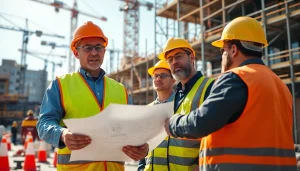

Understanding the Role of a New York Construction Manager
In the vibrant and fast-paced environment of New York City, the role of a New York Construction Manager is pivotal for successful project execution. This professional is responsible for overseeing all aspects of construction, from pre-construction planning through project completion, ensuring that projects are delivered on time, within scope, and on budget. Understanding the complexities involved in managing construction within one of the most challenging urban landscapes in the world is essential.
Key Responsibilities
A New York Construction Manager typically wears many hats, and their responsibilities encompass various facets of construction management. At the core, they are responsible for:
- Project Planning: Developing work plans that align with project execution strategies, including defining scopes and setting timelines.
- Resource Management: Allocating and managing resources such as materials, labor, and technology effectively.
- Compliance Monitoring: Ensuring all projects adhere to local building codes, OSHA regulations, and industry safety practices.
- Budget Oversight: Managing financial aspects to ensure the project stays within budget while achieving high-quality standards.
- Coordination and Communication: Acting as a liaison among stakeholders, including clients, architects, engineers, and laborers to facilitate smooth operations.
Skills and Qualifications Needed
To thrive in this role, a New York Construction Manager must possess a diverse set of skills and qualifications:
- Educational Background: A bachelor’s degree in construction management, civil engineering, or a related field is generally required.
- Experience: Significant industry experience (often 5-10 years) is essential, coupled with a comprehensive understanding of construction processes.
- Leadership Skills: The ability to lead teams effectively and inspire workers is crucial in achieving project goals.
- Problem-Solving Skills: The ability to swiftly address unexpected challenges is vital in managing construction projects.
Importance of Location in NYC Construction
The unique challenges presented by New York City’s dense urban environment cannot be overstated. A New York Construction Manager must be adept at navigating:
- Space Constraints: With limited space available, efficient use of land and vertical construction techniques are paramount.
- Local Regulations: Adhering to an intricate web of zoning laws, permits, and historic preservation measures significantly impacts project timelines and costs.
- Community Engagement: Understanding neighborhood dynamics and maintaining community relations can influence project success.
Best Practices for Project Management
Effective project management is fundamental for the success of construction initiatives. Here are some best practices tailored for construction managers:
Planning and Scheduling Techniques
Developing a comprehensive plan involves detailed scheduling techniques:
- Critical Path Method (CPM): Utilizing CPM helps identify key tasks that affect the project’s timeline, allowing managers to prioritize effectively.
- Gantt Charts: Visual tools like Gantt charts provide a timeline view of project tasks, facilitating clear communication about deadlines.
- Milestone Tracking: Establishing and monitoring milestones helps in measuring project progress and adhering to schedules.
Budget Management Strategies
Financial management is equally critical. To keep projects within budget, consider the following strategies:
- Detailed Cost Estimation: Create a meticulous budget that encompasses all potential costs, including labor, materials, and unexpected expenses.
- Regular Financial Reviews: Conduct frequent budget analyses to ensure spending aligns with projections and adjust accordingly.
- Value Engineering: Identify areas to reduce costs without sacrificing quality by analyzing alternative methods or materials.
Risk Assessment and Mitigation
Identifying potential risks is crucial for smooth project execution:
- Risk Identification Workshops: Collaborate with teams to brainstorm potential project risks right at the onset.
- Contingency Planning: Develop contingency plans for high-risk areas to ensure a ready response.
- Performance Metrics Monitoring: Utilize KPIs to measure project performance against risks and proactively address issues.
Effective Communication in Construction Projects
Clear and effective communication is vital in construction projects to ensure all parties are aligned and informed.
Building Relationships with Stakeholders
A successful New York Construction Manager must build robust relationships:
- Regular Communication: Frequent updates maintain transparency and foster trust among all stakeholders.
- Stakeholder Surveys: Actively gather feedback to understand and address concerns promptly.
- Networking Events: Attend industry events to build relationships outside formal project settings.
Conflict Resolution Strategies
Conflicts are inevitable in construction projects, but resolution processes can mitigate impact:
- Open Dialogue: Promote an environment where team members feel comfortable discussing issues without fear of repercussions.
- Third-Party Mediation: In cases of severe disagreements, neutral mediators can help facilitate an agreeable resolution.
- Documentation: Keeping detailed records of discussions around conflicts can provide clarity and support resolutions.
Tools for Enhanced Communication
Utilizing technology can streamline communication across the project team:
- Collaboration Software: Tools like Slack or Microsoft Teams improve communication by centralizing discussions and enabling file sharing.
- Project Management Software: Using platforms like Asana or Trello can improve visibility into project stages and tasks.
- Regular Briefings: Scheduling regular briefings ensures that all team members remain on the same page.
Leveraging Technology for Construction Management
Technology is reshaping how construction projects are managed, and adopting technological solutions can streamline operations significantly.
Software Solutions for Project Tracking
Effective software solutions enhance project tracking capabilities:
- Real-Time Tracking: Utilizing tools that provide real-time updates on project progress and resource use can mitigate delays.
- Mobile Applications: Mobile access enables construction managers to monitor projects and communicate with teams on the go.
- Cloud Storage: Cloud-based solutions facilitate document sharing and remote access to project-related files.
Drones and Their Role in Construction
Drones are becoming increasingly relevant in construction management:
- Aerial Surveys: Drones can conduct aerial surveys to assess site conditions quickly and accurately.
- Progress Monitoring: Regular drone flyovers can provide visual progress updates, improving accountability.
- Safety Assessments: Employing drones reduces the need for manual inspections in hazardous areas, enhancing worker safety.
3D Modelling and Visualization Tools
Advanced modeling technology facilitates better project understanding:
- BIM (Building Information Modeling): BIM enhances collaboration by providing detailed digital representations of physical structures.
- Visualization Software: Tools like SketchUp allow for detailed visualization of designs, aiding stakeholder comprehension.
- Virtual Reality: VR aids in immersive project walkthroughs, helping clients visualize the end product more clearly.
Future Trends for New York Construction Managers
As construction continues to evolve, New York Construction Managers must stay ahead of industry trends to remain competitive.
Green Building Practices
Sustainability is becoming increasingly important in construction. Managers should focus on:
- LEED Certification: Adopting LEED standards can enhance sustainability and possibly reduce operational costs.
- Energy Efficiency: Implementing energy-efficient technologies can greatly impact the project’s sustainability credentials.
- Waste Reduction: Prioritizing practices that minimize waste during construction is a hallmark of modern green initiatives.
Embracing Modular Construction
Modular construction offers potential efficiencies:
- Speed of Construction: Prefabricated modules can vastly reduce on-site labor time and accelerate project timelines.
- Cost-Effectiveness: Reducing labor and waste can result in significant cost savings over traditional construction methods.
- Flexibility: Modular units can be disassembled and reconfigured, allowing for adaptable designs.
Impact of Urban Development Policies
Changes in urban policies directly affect construction practices:
- Zoning Laws: Understanding evolving zoning regulations is essential for successful project navigation.
- Affordable Housing Initiatives: Policies promoting affordable housing can create new opportunities and challenges in project execution.
- Public Infrastructure Investments: Increased investments in public infrastructure may lead to heightened construction demands in the future.
Frequently Asked Questions
1. What qualifications do I need to become a New York Construction Manager?
A bachelor’s degree in construction management or civil engineering is typically required, along with considerable experience in the field.
2. How important is it to manage a budget in construction?
Budget management is crucial as it directly affects project viability, ensuring that projects are completed without financial overruns.
3. What are some best practices for project scheduling?
Using techniques like Gantt charts and Critical Path Method can enhance scheduling effectiveness and ensure timely project completion.
4. How can technology improve project management?
Technology enhances project management by streamlining communication, improving tracking, and facilitating real-time monitoring of tasks.
5. What trends should construction managers watch for in the future?
Construction managers should focus on green building practices, modular construction, and evolving urban development policies for project success.