
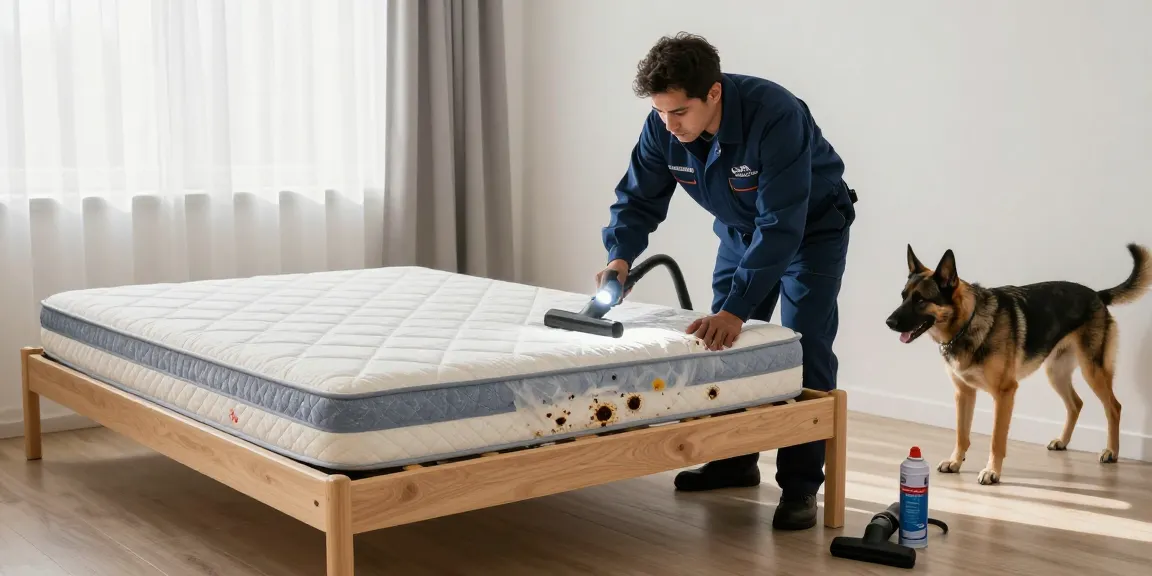
Understanding Bed Bugs: A Comprehensive Overview
Bed bugs have become a growing concern among homeowners and tenants alike, especially in urban areas like Milwaukee. These tiny, blood-sucking pests are notorious for their ability to invade homes, hotels, and even public transport, leading to sleepless nights and an array of discomforts. Understanding these pests is the first step in effective bed bug treatment.
What are Bed Bugs and Their Life Cycle?
Bed bugs (Cimex lectularius) are ectoparasites that primarily feed on human blood. They can be difficult to identify due to their small size—about the size of an apple seed—and their ability to hide in tiny crevices. The life cycle of a bed bug consists of several stages: egg, nymph, and adult. Female bed bugs can lay up to 500 eggs in their lifetime, and these eggs hatch in about a week under optimal conditions.
Common Signs of Bed Bug Infestation
- Itchy, red welts on the skin, often in clusters
- Small blood stains on bedding or mattresses
- Dark, inky spots from bed bug droppings
- Presence of shed skins or exoskeletons
Misconceptions About Bed Bugs and Treatment
There are many misconceptions about bed bugs, including the idea that they are only found in dirty homes. In reality, bed bugs can infest clean and tidy environments as well. Additionally, some believe that DIY treatments can effectively eliminate an infestation, but these methods often lack the potency needed for complete eradication.
Effective Bed Bug Treatment Methods
When it comes to managing and eradicating bed bugs, understanding the available treatment options is crucial. There are several effective methods that can be employed based on the extent of the infestation and the specific needs of the affected household.
Heat Treatment: A Proven Eco-Friendly Solution
Heat treatment is considered one of the most effective methods for bed bug eradication. This process involves heating an infested area to a temperature that kills all stages of bed bugs, including eggs. An advantage of heat treatment is that it is eco-friendly and does not involve the use of harmful chemicals.
Chemical Treatments: What You Need to Know
Chemical treatments typically involve the use of insecticides designed specifically for bed bugs. These sprays can create a residual barrier that provides long-term protection, effectively killing bed bugs that come into contact with treated surfaces. However, it is essential to choose the right chemicals and to follow all safety guidelines.
Combining Treatments for Optimal Results
A combination of heat and chemical treatments often yields the best results. Utilizing both methods can ensure that all bed bugs, including those hiding in hard-to-reach areas, are effectively eliminated. This integrated pest management approach helps in preventing re-infestation and enhances the overall effectiveness of treatment.
Choosing the Right Bed Bug Exterminator
With numerous pest control companies available, choosing the right bed bug exterminator can be daunting. It is vital to seek a service provider who specializes in bed bug treatment and has a solid reputation within the community.
What to Look for in a Professional Exterminator
When searching for a professional exterminator, look for certifications, experience specifically in bed bug extermination, and positive customer reviews. Additionally, ensure the company employs modern techniques and follows best practices for treatment.
Questions to Ask Before Hiring an Exterminator
- What methods do you use for bed bug treatment?
- How long does the treatment process take?
- Are your treatments safe for children and pets?
- What is your follow-up process?
Finding Affordable Bed Bug Treatment Options
Affordability is often a concern when dealing with pest control services. Many companies provide a range of pricing options, so it’s wise to get quotes from several exterminators. Remember, the cheapest option might not always offer the best value if the effectiveness of treatment is compromised.
Preparing Your Home for Bed Bug Treatments
Proper preparation of the home can significantly impact the effectiveness of bed bug treatments. Here are steps to take before an exterminator arrives:
Steps to Take Before Treatment
- Clear clutter from infested areas to allow easy access for exterminators.
- Wash and dry bedding and clothes on high heat to eliminate any potential eggs.
- Vacuum carpets and furniture thoroughly.
How to Protect Your Belongings During Treatment
Using protective coverings for mattresses and box springs is advisable during treatment. It prevents any surviving bed bugs from re-infesting your sleeping area. Additionally, consider sealing items in plastic bags to ensure they remain bug-free.
Understanding the Aftercare Process
After treatment, it’s essential to continue monitoring for any signs of bed bugs. Following the exterminator’s guidelines on aftercare can help ensure long-term success in preventing infestations.
Future Trends in Bed Bug Treatment: What to Expect in 2026
The field of pest control is constantly evolving, with new technologies and techniques being developed all the time. As we look towards 2026, here are some trends that may shape the future of bed bug treatment.
Innovations in Pest Control Technology
Emerging technologies, such as thermal imaging and smart monitoring systems, are set to transform the way bed bugs are detected and treated. These innovations can provide real-time data, allowing pest control experts to respond more effectively to infestations.
Emerging Best Practices for Homeowners and Renters
Educational resources are likely to expand, enabling homeowners and renters to recognize early signs of bed bugs and take proactive measures. Regular inspections and integrated pest management strategies may become standard practices for minimizing infestations.
Resources for Ongoing Bed Bug Monitoring
Homeowners can benefit significantly from utilizing available resources and tools, such as portable bed bug monitors and apps that track travel history. These tools can enhance early detection and prevention efforts, making it easier to address infestations before they escalate.
What are the costs associated with bed bug treatments?
The cost of bed bug treatments varies widely based on the severity of the infestation and the treatment methods used. On average, homeowners can expect to spend between $300 to $1,500 for professional treatment. Factors influencing cost include the size of the area to be treated, the type of treatment, and the level of preparation needed.
How long does it take for bed bug treatment to be effective?
Most professional treatments can show results within a few days, but complete eradication may take several weeks, especially if the infestation was severe. Regular follow-up inspections are crucial to ensure all bed bugs have been eliminated.
Are DIY solutions effective for bed bug control?
While some DIY solutions can kill individual bed bugs, they are often ineffective for controlling established infestations. Professional treatments are necessary because they use commercial-grade products that can penetrate all hiding spots effectively.
What should I do if I still see bed bugs after treatment?
If you continue to see bed bugs after treatment, it’s essential to contact your exterminator immediately. They may need to conduct a follow-up treatment or reassess the situation to determine if further action is necessary.
Can bed bugs be completely eliminated?
Yes, bed bugs can be completely eliminated with the right treatment strategies. However, vigilance is essential, as new bed bugs can easily be introduced to a previously treated space. Regular monitoring and preventative measures are key to maintaining a bed bug-free environment.