
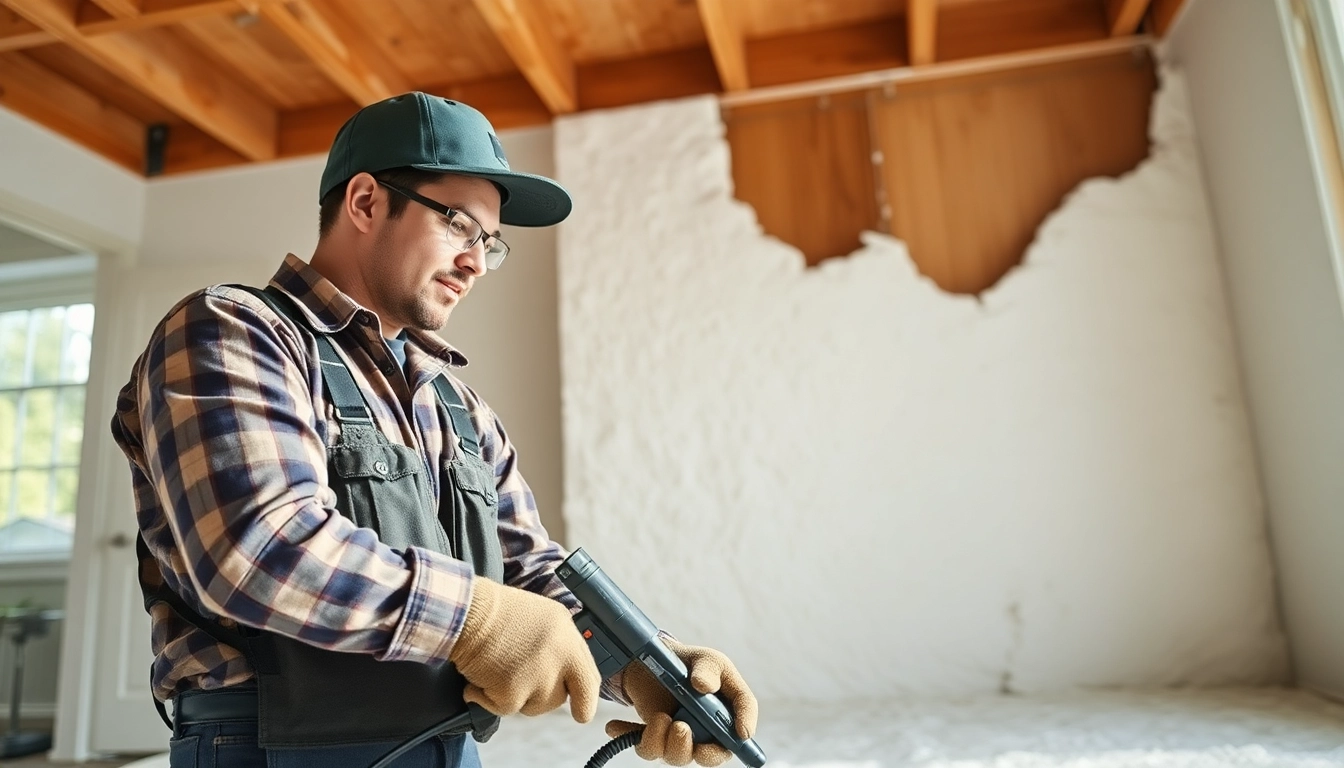
Understanding Spray Foam: What You Need to Know
Introduction to Spray Foam Insulation
Spray foam insulation has become a popular choice among homeowners and contractors for its energy efficiency and versatility. This material consists of a two-component system that expands on application, creating a seamless thermal barrier. It effectively fills gaps and cracks, offering superior insulation compared to traditional materials. By understanding the fundamentals of spray foam insulation, one can appreciate its many benefits, including its resistance to moisture, air infiltration, and its ability to reduce energy bills. You can read more about specialized topics in this field through various online resources, including spray foam removal London.
Common Uses and Benefits
Spray foam is commonly used in residential and commercial buildings for thermal insulation, sound dampening, and even pest control. Its benefits extend far beyond mere insulation; it also enhances indoor air quality by preventing moisture buildup and mold growth. Homeowners have noted significant reductions in heating and cooling expenses, making spray foam a worthwhile investment. Additionally, spray foam insulation contributes to the structural integrity of buildings, providing added strength and durability.
Challenges and Considerations
Despite its advantages, spray foam insulation presents certain challenges that both contractors and homeowners need to be aware of. Its application requires skilled professionals to ensure a proper installation process. Improperly installed foam can lead to complications such as off-gassing, which can be harmful to health. Additionally, the decision to remove spray foam often arises from aesthetic preferences, indoor air quality concerns, or renovations. Navigating these challenges calls for informed decisions and planning.
Why You Might Need Spray Foam Removal
Signs Indicating Foam Removal is Necessary
Several indicators suggest that it might be time to remove spray foam insulation. A prominent warning sign is visible wear and tear, such as cracking or peeling, that alerts homeowners that the insulation is no longer performing effectively. In some cases, homeowners might experience deteriorating indoor air quality, leading to allergies or respiratory discomfort. If these symptoms arise, it is crucial to assess insulation integrity and possibly consider removal.
Potential Risks and Hazards of Old Foam
Old or improperly applied spray foam can harbor a host of issues. The breakdown of foam can release toxic substances, posing health risks to occupants. Moreover, old foam insulation can become a breeding ground for mold and pests, leading to additional health concerns and structural damage. Removing compromised spray foam is essential not only for health and safety but also for ensuring that a property retains its value.
Cost Considerations for Removal
The cost of spray foam removal varies based on several factors, including the size of the area, the type of material, and the complexity of the removal process. Homeowners may encounter additional costs related to repairing any damage caused by the old foam. Budgeting for removal involves both direct costs and the potential for savings on energy bills once new insulation is correctly installed.
Effective Techniques for Spray Foam Removal
Tools and Equipment Required
Successfully removing spray foam insulation requires the right tools and equipment. Essential tools include utility knives, scrapers, and chisels for manual removal, as well as specialized equipment such as heat guns or oscillating tools for more effective techniques. Depending on the situation, protective gear such as goggles, gloves, and masks may also be necessary to ensure safety during the process.
Step-by-Step Removal Process
The removal process of spray foam insulation can be broken down into clear steps:
1. Assessment: Examine the area to identify the extent of foam degradation or damage.
2. Preparation: Clear the workspace and take appropriate safety measures.
3. Cutting: Use a utility knife to slice through the foam, creating manageable pieces.
4. Scraping: Carefully scrape away the remaining foam, ensuring the underlying surface is preserved.
5. Cleaning: Remove any residual adhesive or debris to prepare for new material application.
6. Final Inspection: Conduct a thorough check of the space to ensure all foam is removed.
Safety Precautions and Best Practices
Safety should always be a priority during spray foam removal. Workers should don personal protective equipment (PPE) such as gloves, goggles, and respirators to guard against harmful substances released during removal. Adequate ventilation is crucial in enclosed spaces to avoid inhalation of toxic fumes. Following best practices ensures both the safety of the worker and the integrity of surrounding structures.
Choosing the Right Professionals for the Job
What to Look for in a Removal Service
When searching for a professional spray foam removal service, several criteria should be considered. Look for companies with verifiable experience and certifications in foam removal and installation. Check for reviews and testimonials to gauge customer satisfaction and service quality. Additionally, ensure that the professionals follow safety standards and possess adequate insurance to cover any potential damages.
Understanding Quotes and Pricing Structures
Requesting quotes from multiple service providers allows homeowners to understand pricing structures clearly. Be sure to ask about the breakdown of costs, including labor, materials, and potential additional fees. The lowest price is not always the best option; the quality of service and safety protocols should also weigh heavily in the decision-making process.
Client Testimonials and Case Studies
Listening to previous clients’ experiences can provide invaluable insight into the effectiveness of a removal service. Look for case studies that detail past projects, showcasing the removal process and end results. Testimonials offer a sense of reliability and trust, emphasizing a company’s commitment to customer satisfaction.
Post-Removal Steps and Maintenance
Preparing for New Insulation Installation
Once the spray foam has been removed, the next step is preparing the area for new insulation. This preparation may include repairing any surface damage, sealing any gaps, and ensuring that the space is adequately cleaned and ventilated. Working with a qualified insulation contractor can help ensure that the new insulation meets current building codes and is installed correctly.
Regular Maintenance Tips for Homeowners
Maintaining proper insulation is crucial to prolonging its lifespan and efficiency. Homeowners should conduct regular inspections to check for signs of wear or moisture intrusion. Routine maintenance also includes having HVAC systems serviced to prevent any interactions that could affect insulation performance. Addressing small issues promptly will ultimately save time and money in the long run.
FAQs About Spray Foam Removal London
Q: How long does the spray foam removal process take?
A: The duration varies based on the area and complexity, typically ranging from a few hours to a couple of days.
Q: Is spray foam removal messy?
A: There may be some mess involved, but professional removal services will take precautions to minimize disruption and cleanup.
Q: Can I remove spray foam insulation myself?
A: While possible, it is advisable to hire professionals for safety and efficacy, as improper removal can lead to health hazards.
Q: What happens if I don’t remove old foam?
A: Neglecting to remove old foam can lead to health risks, structural damage, and increased energy costs due to inefficiency.
Q: What materials are recommended after foam removal?
A: It depends on your needs; fiberglass, cellulose, or new spray foam can be good alternatives, each with unique benefits.