
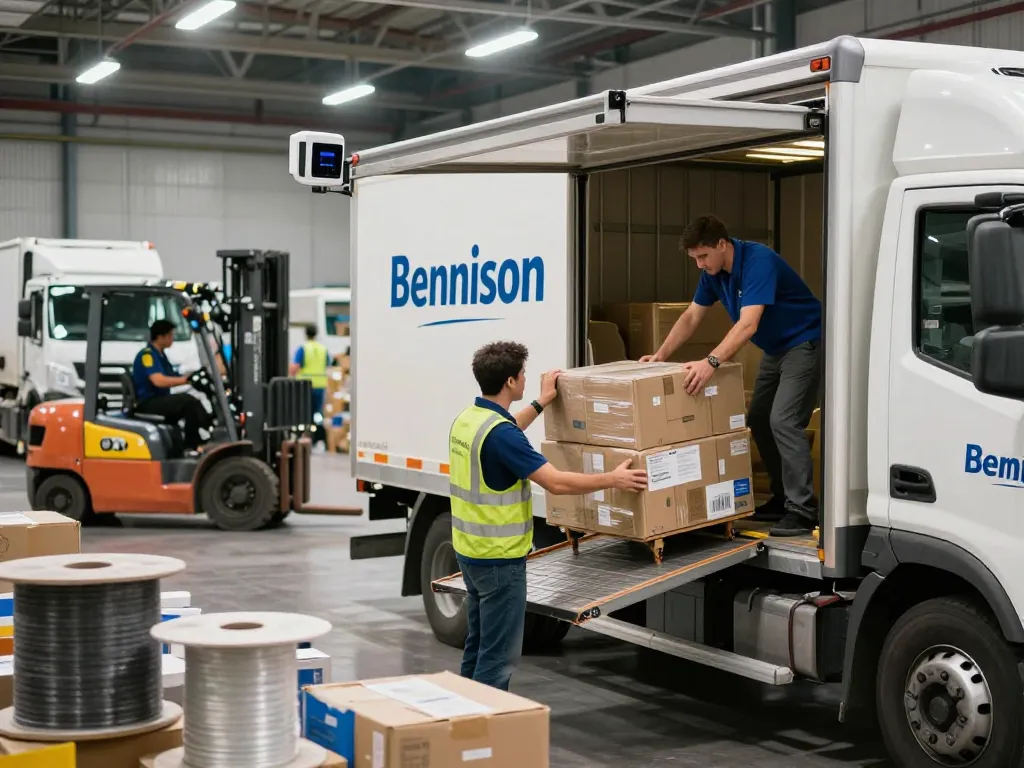
Understanding the Importance of Logistics in Modern Business
In today’s rapidly evolving marketplace, the importance of logistics cannot be overstated. As businesses expand their reach both nationally and internationally, the need for effective and efficient logistics solutions becomes paramount. Logistics plays a central role in ensuring that goods move seamlessly from point A to point B, impacting customer satisfaction and overall business success. This article will explore the intricate dynamics of logistics, emphasizing its critical nature in modern business practices.
What is Logistics and Why It Matters?
Logistics encompasses the planning, implementation, and control of the flow of goods, services, and information, from the source to the consumer. It includes numerous processes, such as transportation, warehousing, inventory management, and order fulfillment, all aimed at delivering products efficiently and effectively. In a world where customer expectations continue to rise, a solid logistics strategy can provide a competitive edge.
The Role of Timely Delivery in Customer Satisfaction
Timely delivery is one of the most significant components of customer satisfaction. Studies show that consumers are increasingly unwilling to wait for their purchases. In fact, 70% of consumers claim they would abandon a purchase if the delivery time was too long. Therefore, companies that prioritize logistics and emphasize prompt delivery are better positioned to enhance customer loyalty and retention. Effective logistics management ensures that businesses can meet—and often exceed—customer expectations.
Key Trends Shaping Logistics in 2026
The logistics landscape is continuously evolving, driven by technology and changing consumer behaviors. By 2026, several key trends are expected to shape the industry:
- Automation: The integration of robotics and automated systems in warehouses will streamline operations, reduce labor costs, and improve accuracy.
- Sustainability: With increasing awareness of environmental issues, businesses will adopt eco-friendly practices, such as optimizing routes to reduce fuel consumption.
- Data Analytics: Advanced analytics will help companies make data-driven decisions, optimizing supply chains and enhancing forecasting accuracy.
Innovative Transport Solutions for Time-Critical Delivery
Features of Effective Express Logistics
Express logistics focuses on timeliness, flexibility, and reliability. Key features of an effective express logistics service include:
- Speed: The capability to pick up and deliver goods within tight timeframes, often within hours.
- Tracking: Comprehensive tracking systems enable both the provider and the customer to monitor shipments in real-time.
- Adaptability: Services tailored to meet diverse customer needs, including specialized handling for sensitive goods.
Understanding Time-Critical Transport Needs
Industries such as healthcare, manufacturing, and e-commerce often face time-critical transport needs. In healthcare, for example, the timely delivery of medical supplies can be a matter of life and death. Understanding these specific needs allows logistics providers to develop targeted solutions that mitigate risks and ensure compliance with regulatory standards.
Case Studies of Successful Logistics Implementations
Examining real-world implementations can offer invaluable insights. A notable example is a case involving a manufacturing company that required rapid transport of machinery parts to avoid production downtime. By leveraging Bennison Transport’s express logistics services, the company achieved seamless pickup and delivery within the expected timeframe, resulting in significant operational savings and enhanced customer satisfaction.
Optimizing Fleet Management for Enhanced Efficiency
Choosing the Right Vehicles for Logistics Operations
Selecting the appropriate vehicles for logistics operations is imperative. Factors to consider include the size of goods, transport routes, and delivery schedules. A diversified fleet that includes small vans for quick deliveries, along with larger lorries for bulk transport, allows companies to be more versatile in meeting their clients’ demands.
Implementing Tracking Technologies
Advancements in tracking technologies can drastically improve logistics efficiency. Real-time tracking systems not only provide transparency but also assist in troubleshooting potential delays and optimizing route management. Integrating GPS and IoT devices enables carriers to respond quickly to changing conditions, enhancing service quality.
Best Practices for Fleet Maintenance and Management
Regular maintenance of vehicles is crucial for fleet reliability. Implementing a proactive maintenance schedule can prevent costly breakdowns and downtime. Additionally, leveraging fleet management software can assist logistics providers in monitoring vehicle health, thereby extending the lifespan of the fleet and improving operational efficiency.
Meeting Safety and Compliance Standards in Logistics
Understanding Business Insurance Requirements
In the logistics industry, it is essential to understand the various business insurance requirements. This not only provides peace of mind but also ensures compliance with legal standards. Coverage such as cargo insurance protects against damages that may occur during transport, while liability insurance safeguards against potential claims from third parties.
Implementing Safety Protocols in Transport Operations
Safety should always be a top priority in logistics operations. Implementing strict safety protocols, such as driver training programs and regular vehicle inspections, helps mitigate risks associated with transport. Cultivating a safety-first culture reduces accidents and enhances the reputation of logistics providers.
Adapting to Regulatory Changes in Logistics
The logistics sector is subject to various regulations that can change frequently. Staying informed about these regulations is crucial for compliance. Logistics providers should invest in ongoing training and development for their teams to adapt to evolving standards effectively.
Measuring Success and ROI in Logistics Operations
Key Performance Indicators for Logistics Success
Tracking key performance indicators (KPIs) is essential for assessing the success of logistics operations. Metrics such as on-time delivery rates, transportation costs per shipment, and customer satisfaction scores provide critical insights into operational performance and areas for improvement.
Analyzing Customer Feedback and Testimonials
Customer feedback is a valuable resource for logistics companies. Regularly analyzing testimonials can help identify strengths and areas for improvement. By proactively seeking customer opinions, businesses can adjust their service offerings to better meet the demands of their clientele.
Future-Proofing Your Logistics Strategy
In an ever-changing environment, future-proofing logistics strategies is vital. This involves staying ahead of technological advancements, adopting sustainable practices, and maintaining flexibility to adapt to market conditions and consumer preferences. Companies that can anticipate changes will remain competitive and relevant.
What are the benefits of using time-critical logistics?
Time-critical logistics ensures that goods are delivered swiftly and reliably, reducing downtime and enhancing customer satisfaction. It also offers businesses flexibility to respond to urgent needs and maintain competitive advantage.
How does vehicle tracking improve logistics efficiency?
Vehicle tracking enhances logistics efficiency by providing real-time data on fleet movement, allowing for optimal route planning and timely responses to potential delays. This ultimately leads to improved delivery schedules and reduced costs.
What trends should I watch in logistics for 2026?
Key trends to watch include increased automation, a focus on sustainability, and the utilization of data analytics. These trends will significantly influence how logistics operations are conducted in the near future.
How do I ensure my logistics team is compliant with regulations?
Ensuring compliance involves providing ongoing training about regulatory changes, conducting regular audits, and utilizing compliance management software to track adherence to required standards.
What metrics can I use to measure logistics success?
Metrics such as delivery performance, customer satisfaction ratings, and cost efficiency ratios allow companies to gauge their logistics performance and identify areas for improvement.