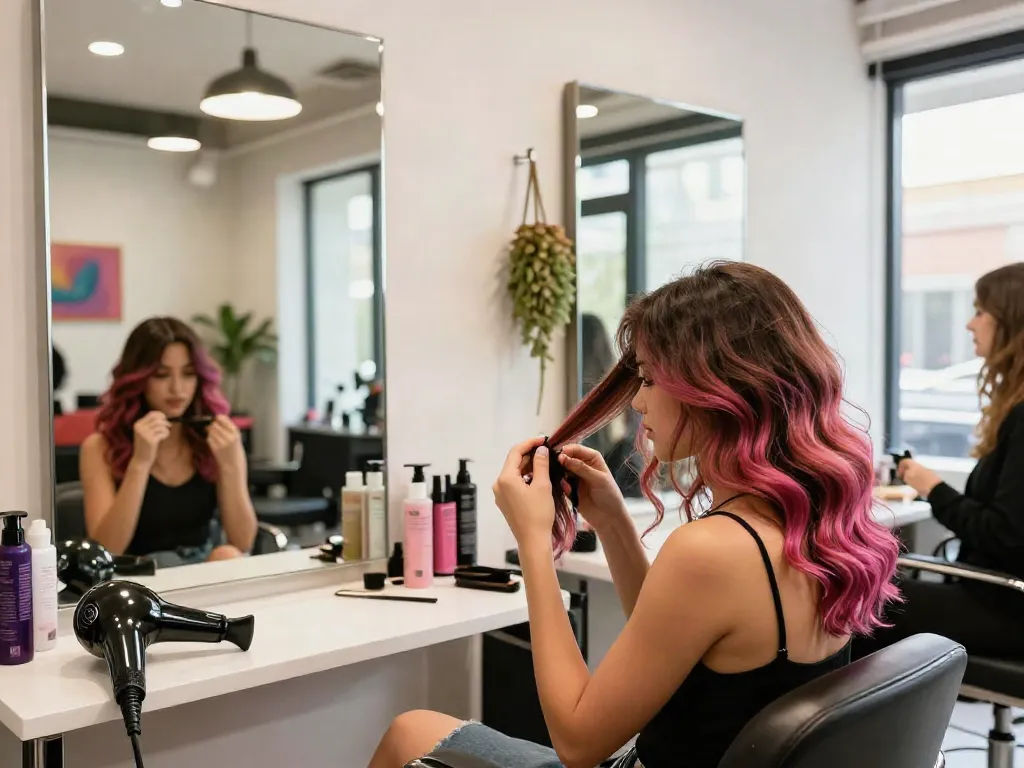
Understanding the Benefits of Mirror and LED Lights
The combination of mirror and led lights serves as a transformative addition to various spaces, enhancing both functionality and aesthetics. This article dives deep into how this pairing can revolutionize your ambiance, improve energy efficiency, and enhance space illumination.
How Mirror and LED Lights Improve Ambiance
Incorporating LED lighting into mirrors instantly upgrades the atmosphere of any room. The soft yet bright glow created by LED lights can cast beautiful shadows, adding depth and dimension. Mirrors themselves reflect and amplify light, creating an illusion of space that makes areas feel larger than they are. The fusion of mirrors with LED lights not only enhances brightness but also allows for creative lighting configurations that complement different design styles. Whether you aim for a cozy atmosphere in the bathroom or a sleek, modern vibe in the living room, LED mirrors can set the perfect tone.
Energy Efficiency of LED Lights
LED lights outperform traditional incandescent bulbs significantly in terms of energy efficiency. They use at least 75% less energy than conventional bulbs, which means reduced electricity bills and a smaller carbon footprint. When installed in mirrors, LED lights last significantly longer—typically up to 25,000 hours—compared to the 1,000 hours of traditional lighting. This longevity, combined with reduced energy consumption, not only contributes to savings but also supports a more sustainable lifestyle.
Space Illumination and Reflection Properties
The unique properties of mirrors amplify light in ways that enhance both form and function. By reflecting natural and artificial light, mirrors can brighten even the dimmest corners of a room. When LED lights are integrated into mirrored surfaces, they create an efficient source of illumination that enhances visibility without being overly harsh. This is particularly beneficial in spaces like bathrooms and dressing areas where good lighting is essential for daily tasks such as grooming or applying makeup.
Choosing the Right Mirror and LED Lights for Your Space
Finding the ideal mirror and corresponding LED lights requires careful consideration. Not all mirrors are created equal, and understanding the various types and styles will help you make the best choice for your space.
Types of Mirrors Suited for LED Integration
Several mirror types lend themselves well to LED integration, including:
- Wall-Mounted Mirrors: These are versatile and can be easily fitted with LED backlighting for a modern touch.
- Vanity Mirrors: Commonly used in bathrooms, these mirrors can utilize side or back lighting to provide even illumination.
- Full-Length Mirrors: These can incorporate LED strips along the edges to enhance visibility and offer a stylish look.
Determining the Appropriate LED Brightness
When selecting LED lights for mirrors, determining the right brightness is crucial. LED brightness is measured in lumens: the higher the lumens, the brighter the light. A general guideline is:
- For bathroom mirrors, look for LED lights that provide at least 700 lumens for optimal illumination.
- In bedrooms or softer ambience settings, 300-500 lumens can create a warm glow without overwhelming brightness.
- For task-oriented areas like kitchens, opt for higher lumens to ensure clear visibility.
Styles of Mirrors and Their Compatibility with LED Lights
The style of the mirror also influences how effective the LED integration is in enhancing the overall look. Consider these popular styles:
- Modern Mirrors: Typically have clean lines and can easily accommodate LED strips or frames, adding to their sleek design.
- Rustic Mirrors: Often feature wooden frames. While they may not traditionally pair well with LEDs, the right installation can harmonize contemporary lighting with vintage aesthetics.
- Framed Mirrors: Mirrors with ornate frames can be outfitted with LEDs to highlight their features while creating a dramatic atmosphere.
Installation Guide for Mirror and LED Lights
The installation of mirrors with LED lights can be a rewarding project that enhances not just the functionality but also the aesthetic appeal of your space. This section provides a detailed guide to successfully installing your chosen mirror and LED lights.
Preparation Steps Before Installation
Before starting your installation, ensure you have the following materials:
- LED lights (strips or fixtures)
- Mirror
- Measuring tape
- Pencil for marking
- Drill and wall anchors (if necessary)
- Wire connectors and tools for electrical work (if needed)
Additionally, consider the lighting layout and desired placement of your mirror. Ensuring that you have a reliable power source close to the mounting area is essential for a seamless installation.
Step-by-Step Installation Process
- Mark the Installation Area: Use a measuring tape and pencil to outline where the mirror will hang.
- Install Power Source: Ensure that your LED lights are connected to a power source safely. For hardwired options, consult a professional electrician.
- Mount the Mirror: Follow your mirror's specific instructions for mounting. Secure it firmly to the wall, ensuring it is level.
- Attach LED Lights: If using LED strips, peel off the adhesive backing and carefully attach them to the mirror. If using separate fixtures, ensure they are installed according to the manufacturer's instructions.
- Test the Setup: Turn on the lights and check for even illumination and any necessary adjustments.
Common Installation Mistakes to Avoid
When installing mirrors with LED lights, avoid these common pitfalls:
- Incorrect Placement: Ensure height and angle are adjusted according to usage (e.g., makeup application).
- Overloading Circuits: Be cautious not to exceed the wattage of the circuits being used to prevent tripping.
- Poor Adhesion: Allow adhesive to set properly if applicable to prevent the LED strips from peeling away prematurely.
Maintenance Tips for Mirror and LED Lights
Maintaining your mirror and LED lights is essential to preserve their appearance and functionality. Below are essential maintenance tips.
Cleaning and Care for Your Mirror
To keep mirrors pristine:
- Use a soft microfiber cloth to avoid scratches.
- Avoid harsh cleaners; instead, use a solution of vinegar and water for a streak-free shine.
- Clean regularly to prevent dirt build-up, ensuring optimal reflection quality.
Maintaining LED Light Fixtures
LED lights require minimal maintenance, but consider the following:
- Ensure fixtures are free of dust and debris, as this can affect performance.
- Periodically check for loose connections to maintain consistent lighting.
- Use fixtures designed for the areas of your home to prevent moisture damage, especially in bathrooms.
When to Replace Your LED Lights
Despite their long lifespan, there are signs indicating that LED lights need replacement:
- Significant dimming may indicate a failure, even if they haven't reached full life expectancy.
- Color inconsistency suggests issues with the LED driver.
- Unusual flickering can indicate a problem with electrical connections or voltage issues and may warrant replacement.
Frequently Asked Questions About Mirror and LED Lights
What types of mirrors work best with LED lights?
Wall-mounted, vanity, and full-length mirrors are ideal for LED integration, providing versatile lighting options suitable for various spaces.
Can I install LED lights in my existing mirror?
Yes, as long as the mirror's structure accommodates such an installation; adding LED strips or fixtures can enhance existing designs.
How long do LED lights last compared to traditional bulbs?
LED lights can last up to 25,000 hours, while traditional bulbs typically last around 1,000 hours, significantly reducing the need for frequent replacements.
Are LED lights energy-efficient for bathroom use?
Absolutely! LED lights use significantly less energy compared to incandescent bulbs, providing a cost-effective and eco-friendly lighting solution for bathrooms.
What maintenance does a mirror with LED lights require?
Regular cleaning of the mirror surface and light fixtures, checking for loose wiring, and ensuring protective measures against moisture are crucial for maintaining both components.