Understanding Fiber Optic Christmas Trees
As the holiday season approaches, many families are on the lookout for unique and eye-catching decorations to enhance their festive atmosphere. Among these options, the fiber optic christmas tree stands out for its vibrant display of lights and convenience. These trees combine traditional holiday aesthetics with modern technology, creating a dazzling visual spectacle that can transform any space into a winter wonderland. In this comprehensive guide, we'll explore everything you need to know about fiber optic Christmas trees, including their benefits, selection criteria, assembly, care, and future trends.
What are Fiber Optic Christmas Trees?
Fiber optic Christmas trees are artificial Christmas trees that utilize fiber optic technology to illuminate their branches and create enchanting light displays. Instead of traditional incandescent or LED lights, these trees use optical fibers that carry light from a central source, producing an array of colors and patterns. Typically pre-lit, fiber optic trees come in various shapes and sizes, catering to diverse tastes and decorating styles.
Benefits of Choosing Fiber Optic Trees
- Minimal Setup: Fiber optic trees are straightforward to assemble and often require little more than plugging them in.
- Energy Efficiency: These trees generally consume less energy than traditional lighting options, making them environmentally friendly.
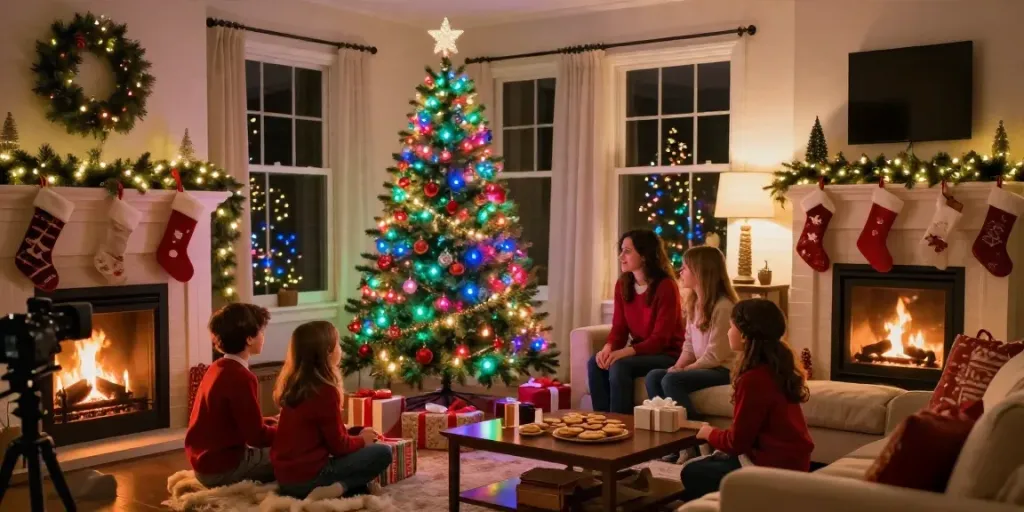
- Unique Visual Effects: The light patterns produced can create mesmerizing effects, captivating children and adults alike.
- Durability: Made from high-quality materials, fiber optic trees are designed to last and withstand holiday celebrations year after year.
How Fiber Optics Work for Holiday Lighting
At the heart of fiber optic technology are thin strands of glass or plastic that transmit light. When light is introduced into one end of the fiber, it travels through the strand, bouncing internally until it reaches the other end. In fiber optic Christmas trees, this technology allows for various colors and light displays that can shift and change, enhancing the holiday experience. Many models come with adjustable settings, enabling users to select the desired light patterns and colors.
Choosing the Right Fiber Optic Christmas Tree
With numerous options available, selecting the perfect fiber optic Christmas tree can be a delightful yet overwhelming task. Here are some critical factors to consider when making your choice.
Factors to Consider When Buying a Fiber Optic Tree
- Size: Consider the space where the tree will be displayed. Ensure the chosen tree fits well within the room without overwhelming the decor.
- Height: Fiber optic trees come in various heights, from table-top options to large, full-sized trees. Choose based on your preference and available space.
- Light Options: Look for trees that offer multiple light settings and effects to customize your holiday atmosphere.
- Material Quality: Ensure the tree is made from durable materials to withstand seasonal use.
Different Styles and Sizes of Fiber Optic Trees
Fiber optic Christmas trees are available in a range of styles, including traditional evergreen designs, whimsical shapes, and even themed trees for a more personalized touch. Sizes typically range from compact 3-foot models ideal for a small space to grand 9-foot trees for larger rooms. To make the best choice, assess your specific aesthetic preferences and the overall theme of your holiday decor.
How to Evaluate Quality in Fiber Optic Christmas Trees
When purchasing a fiber optic Christmas tree, quality should be a paramount consideration. Look for trees that feature:
- Bright, Vibrant Colors: A quality tree will have bright, vivid light that can illuminate the room effectively.
- Stable Base: Ensure the tree has a sturdy base to prevent tipping.
- Warranty: A good warranty indicates the manufacturer’s confidence in their product.
Setting Up Your Fiber Optic Christmas Tree
Once you've chosen the perfect tree, setting it up is an exciting step toward your holiday preparations. Follow this guide to make the process as smooth as possible.
Step-by-Step Guide to Assemble Your Fiber Optic Tree
- Unbox the tree: Carefully remove all components from the packaging and lay them out for easy access.
- Connect the base: Follow the manufacturer's instructions to securely attach the tree to its base.
- Assemble the sections: If your tree has multiple sections, connect them as indicated, ensuring a snug fit.
- Plug in and test: Before fully decorating, plug the tree into an electrical outlet to verify that the lights function correctly.
Placement Tips for Maximum Visual Impact
Optimal placement is crucial for showcasing your fiber optic Christmas tree. Consider the following:
- Visibility: Position the tree in a spot where it can be seen from various angles, such as near a window or in a central area of the room.
- Complementary Decor: Surround the tree with complementary decorations to create a cohesive holiday look.
- Safety: Ensure the tree is placed away from heat sources or high-traffic areas to avoid accidents and damage.
Connecting Additional Lights and Decorations
While fiber optic trees are stunning on their own, feel free to enhance their beauty with additional decorations. When adding lights or ornaments, consider using:
- Non-fiber lights: Opt for LED lights to complement the fiber optic display without overpowering it.
- Traditionally themed ornaments: Choose ornaments that align with your holiday theme to maintain a visually appealing balance.
Caring for Your Fiber Optic Christmas Tree
Maintaining your fiber optic Christmas tree is essential for ensuring its longevity and performance. Here are best practices to follow.
Best Practices for Maintenance and Storage
- Regular Cleaning: Dust the tree gently with a soft cloth to keep it looking its best.
- Safe Dismantling: When the holiday season ends, carefully dismantle the tree, avoiding damage to the fiber optics.
- Proper Storage: Store the tree in a cool, dry place, ideally in its original box, to prevent wear and tear.
Common Issues and How to Troubleshoot Them
Occasionally, you may encounter issues with your fiber optic tree. Here are common problems and their solutions:
- Dim Lights: If the lights appear dim, check the connection to the power source and inspect the cables for damage.
- Uneven Lighting: Ensure the fibers are evenly distributed and not tangled. Gently reposition them if necessary.
How to Clean and Preserve Your Tree Over Time
To preserve the vibrant appearance of your fiber optic Christmas tree:
- Dust Regularly: Use a microfiber cloth or vacuum with a soft brush attachment to remove dust.
- Avoid Moisture: Keep the tree away from direct moisture to prevent damage to the fiber optics.
Future Trends in Fiber Optic Christmas Trees
As technology advances, the future of fiber optic Christmas trees looks promising. Here are some anticipated trends that may shape the market in the coming years.
Innovative Designs and Technology in 2026
In 2026, expect to see trees that incorporate more advanced technology, such as:
- Smart Lighting: Integration with smart home devices for customizable lighting patterns.
- Interactive Features: Trees that allow users to control effects via mobile apps or voice commands.
Sustainability and Eco-Friendliness in Holiday Decor
As environmental consciousness rises, manufacturers are likely to focus on sustainable materials and energy-efficient lighting options. Innovations in biodegradable or recyclable materials may become standard.
Predictions for Fiber Optic Christmas Tree Popularity
Given their unique characteristics and stunning displays, fiber optic Christmas trees are expected to gain popularity, particularly among younger generations seeking dynamic and easy-to-use holiday decor.