Understanding the Digital Oscilloscope
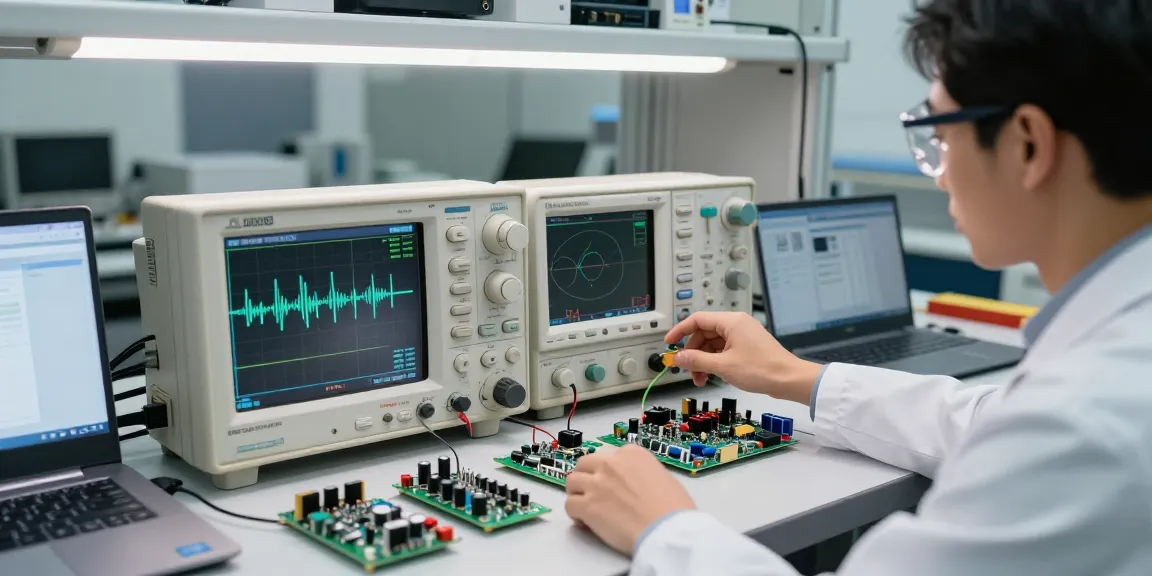
In the realm of electronics, precision is paramount. Digital oscilloscopes have become an indispensable tool for engineers, technicians, and hobbyists alike, offering a window into the complex world of electronic signals. The Hanmatek DOS1102S model exemplifies the leading edge of this technology, providing both measurement and signal generation capabilities. When exploring options, Digital Oscilloscope, benchtop oscilloscope solutions like this one are essential for accurate diagnostics and design verification.
What is a Digital Oscilloscope?
A digital oscilloscope is an electronic device that visually represents waveform signals—these can be voltage, current, or other electrical quantities—over time. Unlike their analog predecessors, digital oscilloscopes digitize the input signals, allowing them to be processed, stored, and analyzed with great precision. This capability has revolutionized how engineers and scientists approach the testing and development of electronic equipment, enabling them to see intricate signal details that were previously obscured.
Key Features of a Benchtop Oscilloscope
Modern benchtop oscilloscopes, such as the Hanmatek DOS1102S, come equipped with an array of features designed to enhance their usability and performance:
- High Bandwidth: With a bandwidth of 110 MHz, the DOS1102S can capture fast signals effectively.
- Sampling Rate: A high sampling rate, typically around 1 GSa/s, allows for accurate waveform representation.
- Multiple Channels: The ability to monitor multiple signals simultaneously is crucial for comparative analysis.
- User-Friendly Interface: Intuitive controls and displays make these devices suitable for both professionals and novices.
- Integrated Waveform Generator: This feature facilitates the creation of test signals directly on the oscilloscope.
Applications in Modern Electronics
Digital oscilloscopes are employed across various fields, including:
- Research and Development: Engineers utilize oscilloscopes to prototype and test electronic circuits before mass production.
- Education: In academic environments, they serve as powerful teaching tools to demonstrate waveforms and electronics concepts.
- Maintenance: Technicians use them to troubleshoot and repair electronic equipment by diagnosing issues effectively.
- Signal Processing: They are essential for testing and validation in signal processing applications, such as audio or RF systems.
How to Effectively Use the Benchtop Oscilloscope
Step-by-Step Usage Guide
Using a benchtop oscilloscope effectively involves several key steps:
- Setup: Connect the probes to the oscilloscope and the circuit you wish to test. Ensure the device is powered on.
- Configure the Settings: Adjust the vertical and horizontal scales according to the expected signal characteristics.
- Triggering: Set up a trigger level to stabilize the waveform display for easier analysis.
- Capture: Press the ‘Run’ button to begin capturing the waveform data.
- Analyze: Use the oscilloscope’s measurement features to gauge relevant parameters such as frequency, voltage amplitude, and rise time.
Common Use Cases Explained
The versatility of digital oscilloscopes opens up a world of possibilities in electronics:
- Testing Power Supplies: Engineers can examine the output waveforms to ensure they meet specified standards.
- Signal Integrity Analysis: Assessing the distortion in high-speed digital signals is crucial for maintaining data integrity.
- Audio Testing: Engineers can visualize complex audio signals to make necessary adjustments in audio devices.
- Embedded Systems: In embedded systems development, oscilloscopes are used to debug and verify functionality and performance.
Best Practices for Accurate Measurements
To ensure precise readings from your oscilloscope, consider the following best practices:
- Proper Probe Compensation: Always compensate your probes before taking measurements to eliminate any signal distortion.
- Minimize Noise: Keep cables short and maintain a clean workspace to reduce interference.
- Sampling Rate Selection: Always select a sampling rate at least 5 times greater than the highest frequency component of your signal.
- Regular Calibration: Ensure that your oscilloscope is calibrated as per manufacturer guidelines to maintain accuracy.
Comparing Different Digital Oscilloscopes
Top Features to Look For
When selecting a digital oscilloscope, several features can significantly impact performance:
- Bandwidth: Higher bandwidth allows for more accurate representation of fast signals.
- Sample Rate: A higher sample rate provides a more detailed view of the waveform.
- Memory Depth: Greater memory depth enables longer waveform capture.
- Display Quality: A larger, high-resolution display enhances visibility and analysis.
Price Range and Value Assessment
The price of digital oscilloscopes can vary widely based on their features. Entry-level models may start from a few hundred pounds, while advanced models with extensive features can exceed several thousand. The key is to assess which features align best with your requirements and budget.
Performance Metrics: How to Measure Success
Success with an oscilloscope often hinges on the following metrics:
- Accuracy: The precision of measurements must meet the standards required for your applications.
- Reliability: Consistent performance over time is crucial for repeated testing.
- User-Friendliness: A device that is easier to operate will yield better results, especially for those less experienced.
Troubleshooting Common Oscilloscope Issues
Identifying Common Problems
While oscilloscopes are largely reliable, issues can arise, such as:
- Incorrect Measurements: Often caused by improper probe settings or configuration.
- Signal Distortion: Likely due to probe compensation issues or external noise.
- Display Issues: Can stem from hardware failures or misconfigurations in settings.
Step-by-Step Troubleshooting Techniques
When facing problems, follow these troubleshooting steps:
- Verify Connections: Ensure all probes and cables are properly connected.
- Check Settings: Review and adjust the oscilloscope settings according to the signal type.
- Inspect Probes: Assess probe integrity and compensation to eliminate measurement errors.
- Software Updates: Ensure your oscilloscope software is up-to-date for optimal performance.
When to Seek Technical Support
If problems persist after troubleshooting, it may be time to seek assistance from the manufacturer’s support team. They can provide insights specific to your model and the issues at hand.
Future Trends in Digital Oscilloscope Technology
Emerging Technologies in 2026
As technology continues to evolve, digital oscilloscopes are expected to incorporate advanced functionalities such as:
- Artificial Intelligence: AI integration may help automate measurements and analysis, enhancing accuracy and speed.
- Enhanced Connectivity: Increased IoT capabilities for real-time data sharing and collaboration.
- Cloud-Based Analysis: Allowing remote access and collaborative projects across different locations.
Impact of AI and Automation
The incorporation of AI promises to streamline operations in oscilloscopes, from automatic triggering to smarter data analysis, leading to improved efficiency in various applications.
Preparing for the Next Generation of Oscilloscopes
To remain competitive and effective in using oscilloscopes, continuous learning about advancements in technology will be crucial. Staying informed through online resources, manufacturer workshops, and community forums can provide valuable insights.
What benefits does a digital oscilloscope offer over analogue?
Digital oscilloscopes provide enhanced accuracy, the ability to store and recall waveforms, and the capability to analyze and manipulate signals that are simply not possible with analogue devices.
How do I select the right oscilloscope for my needs?
Consider factors such as bandwidth, sample rate, and specific functionalities needed for your projects. Assess your typical applications and choose a device that aligns with those requirements.
Can oscilloscopes measure high-frequency signals effectively?
Yes, as long as the oscilloscope has an appropriate bandwidth specification above the frequency of interest, it can measure high-frequency signals accurately.
What advancements are expected in oscilloscopes by 2026?
Advancements are likely to focus on AI integration, enhanced user interfaces, improved connectivity options, and better processing capabilities to increase efficiency and usability.
How do I maintain my benchtop oscilloscope for longevity?
Regular calibration, proper storage when not in use, and avoiding exposure to extreme conditions can help maintain performance and longevity.