
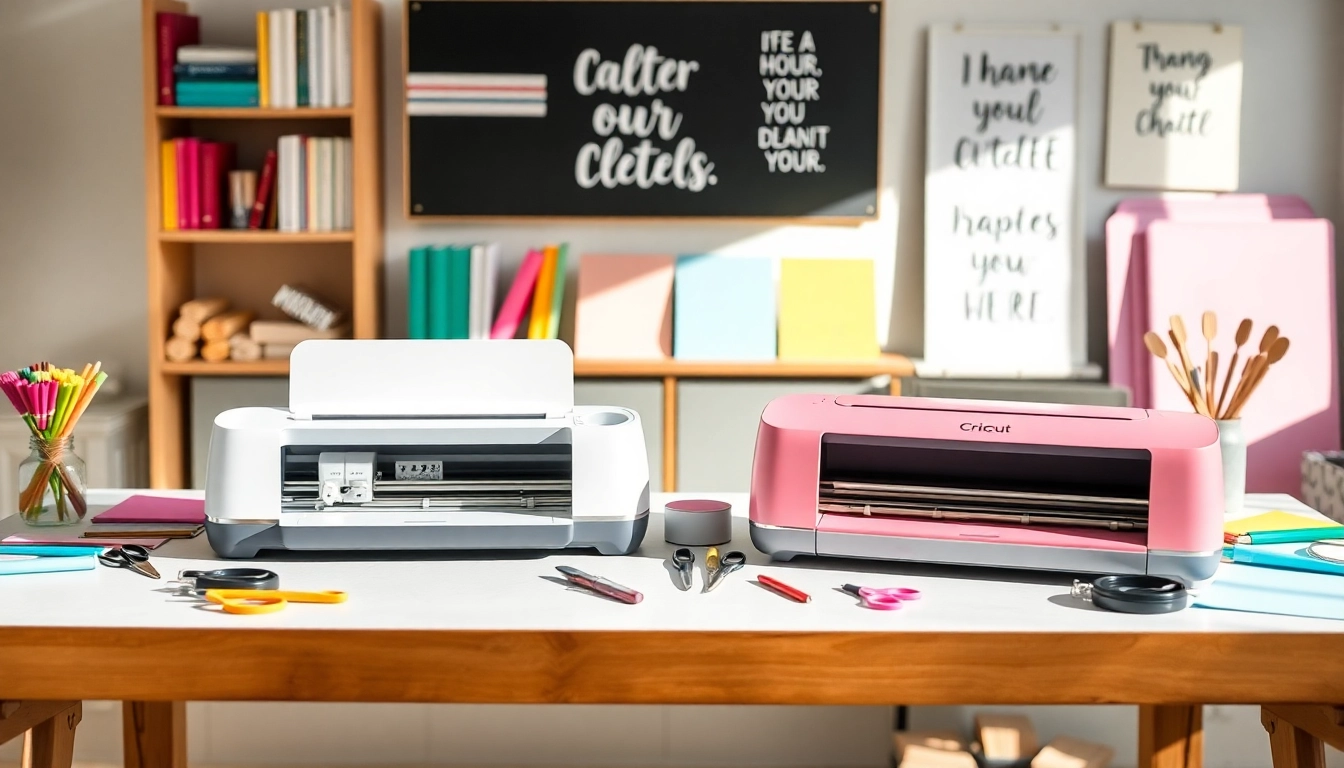
Overview of Cricut and Silhouette Machines
When it comes to crafting with cutting machines, two names dominate the landscape: Cricut and Silhouette. Both brands have built a reputation for offering high-quality machines that cater to a variety of crafting needs, from simple paper cuts to intricate vinyl designs. However, choosing between them can be challenging, especially for beginners looking for the best tool to fit their projects. Understanding the core features and differences can help crafters make informed decisions that align with their creative visions.
As you explore your options, silhouette vs cricut offers comprehensive insights that highlight the unique strengths of each machine.
Understanding Machine Features and Specifications
Both Cricut and Silhouette offer a range of machines designed for different levels of users, from hobbyists to professionals. The Cricut Maker series and Silhouette Cameo series are their flagship models, with robust features that allow for a wide variety of cutting tasks. For instance, the Cricut Maker is known for its adaptive tool system, which supports a plethora of tools catering to various materials—ranging from light cardstock to thick leather. On the other hand, the Silhouette Cameo boasts a powerful dual-carriage feature, enabling users to cut and draw simultaneously.
In terms of specifications, the Cricut Maker has the edge in terms of cutting depth, allowing users to cut materials up to 2.4 mm thick. The Cameo 4 has a larger cutting area, accommodating projects up to 12 inches wide and 10 feet long. Each machine has its own set of specifications designed to cater to different creative aspirations.
Key Differences in Design and Usability
Design and usability can greatly impact a user’s experience, especially for beginners. Cricut machines are often praised for their sleek and user-friendly interfaces, which guide users through projects with ease. The touchscreen interface and guided setup features make it particularly appealing for those new to crafting. Conversely, Silhouette machines are known for their versatility but may present a steeper learning curve due to the complexity of the software.
User reviews frequently emphasize that while the Cricut may win in aesthetics and ease of use, Silhouette offers more flexibility in design manipulation. This leads to a critical question for potential buyers: do they prefer a machine that is easy to use out of the box or one that offers deep customization capabilities?
Target Users: Which Machine is Right for You?
Determining the right machine hinges on personal crafting goals and experience. If you are a beginner looking for a straightforward crafting machine that delivers consistent results, a Cricut machine may suit your needs best. Its pre-set designs and user-friendly interface simplify the crafting process, making it ideal for quick projects.
On the other hand, if you’re a more experienced crafter who thrives on creating unique and custom designs, then the Silhouette will likely be more appealing. Its software, Silhouette Studio, allows for intricate design processes that can cater to more advanced crafting techniques.
Cutting Capabilities and Material Compatibility
Material Options for Cricut vs Silhouette
Both brands boast impressive cutting capabilities across various materials. Cricut machines excel when it comes to versatility; they can cut over 100 different materials, including specialty materials like leather and felt. The Smart Materials feature allows for even longer cuts without the need for a cutting mat, which can streamline the crafting process.
Silhouette machines also offer a wide range of material compatibility, with the ability to cut materials including vinyl, paper, cardstock, fabric, and even thicker materials like wood and chipboard. However, the maximum thickness they can cut is generally less than that of the Cricut Maker.
Precision and Cutting Quality Comparison
Both Cricut and Silhouette are designed to provide precise cuts, but there are notable variations in cutting quality, particularly when working with intricate designs. The Cricut Maker’s adaptive tool system ensures that users achieve the best possible cut quality across diverse materials, while the rotary blade is particularly useful for cutting fabric without fraying edges.
The Silhouette Cameo, with its dual-carriage system, allows users to cut and sketch simultaneously, enhancing the precision of projects that involve both elements. Through extensive testing, many users have reported that while both machines deliver high-quality cuts, the outcomes are influenced heavily by the user’s familiarity with the software and machine.
Best Practices for Different Crafting Projects
To maximize the capabilities of each machine, crafters need to adhere to best practices tailored to their specific projects. For Cricut users, utilizing the Design Space app effectively can unlock a range of functionalities, such as setting the right material type for optimal cutting results. Regular maintenance, including cleaning the blades and mats, extends the life and performance of the machine.
Silhouette users, meanwhile, should familiarize themselves with Silhouette Studio to fully utilize its design features. Taking time to explore the software’s advanced features can lead to beautifully intricate designs. Additionally, ensuring that settings are correctly adjusted based on the material type is crucial for achieving the best cut.
Software Comparison: Cricut Design Space vs Silhouette Studio
User Experience and Learning Curve
The software that accompanies each machine is critical to the user experience. Cricut Design Space is often cited for its intuitive user interface, making it approachable for newcomers. Its guided projects and templates allow users to jump right into crafting without needing extensive design knowledge.
Conversely, Silhouette Studio offers more advanced design capabilities, but it can come with a steeper learning curve. Many users recommend dedicating time to learn the software’s features to fully harness its potential. Over time, users can develop their unique styles through the array of designs and tools available. It caters to those who wish to push their creative boundaries but may initially overwhelm casual users.
Features and Tools Offered by Each Software
Both software platforms offer a range of features tailored to different creative needs. Cricut Design Space allows users to access a library of images, fonts, and pre-made projects, making it easy for users to create and customize designs quickly. This aspect of the software is particularly appealing for those who prefer a more guided approach to crafting.
Silhouette Studio, on the other hand, includes a more extensive array of tools for detailed design work. Users can draw freehand, use advanced editing tools, and work with layers, making it suitable for more complex projects. This advanced functionality is what attracts many experienced crafters, allowing them to create unique designs from scratch.
Integrating Third-party Designs into Your Workflow
The ability to integrate third-party designs can open a myriad of creative possibilities. Cricut users can import SVG files into Design Space but should be cautious of copyright issues associated with certain designs. Silhouette Studio, however, offers greater flexibility when importing various file types, including SVG, DXF, and even its proprietary formats.
This adaptability makes Silhouette a favorite among crafters who enjoy purchasing or downloading designs from multiple sources. Users should ensure they are knowledgeable about the licensing of different designs, as this can impact their projects.
Cost Analysis: Initial Investment and Long-term Value
Pricing Structures for Cricut and Silhouette Machines
Pricing is a significant consideration for anyone looking to invest in a cutting machine. Cricut Maker machines are typically priced higher, reflecting their advanced capabilities and range of features. On average, a Cricut Maker can range from $349 to $399, depending on sales and promotions.
Conversely, the Silhouette Cameo 4 is usually available for around $299, making it a more budget-friendly option. However, when calculating the total cost, it is essential to consider the expense of accessories, materials, and subscription services associated with each machine.
Cost of Accessories and Materials Over Time
Both Cricut and Silhouette machines require ongoing investment in terms of materials and accessories. Cricut tends to have a more expensive accessories market, with proprietary tools and materials that can add up. For instance, the cost of Cricut blades, mats, and specialty materials can quickly escalate, especially for users who craft on a regular basis.
Silhouette offers competitive pricing for accessories, but users still need to invest in high-quality blades and materials to maintain cutting efficiency. Crafting enthusiasts should factor in these ongoing costs when evaluating the overall investment for their crafting machine of choice.
Evaluating Cost-effectiveness Based on Usage
Ultimately, the cost-effectiveness of either machine relies on user needs and crafting habits. Casual crafters might find the Cricut’s ease of use and ready-to-go projects worth the investment, while those who create custom designs frequently might prefer the more affordable long-term costs associated with Silhouette.
It’s essential to assess your crafting goals and budget before making a final decision, ensuring that your chosen machine aligns with your creative aspirations.
Future Trends in Cutting Machines and Crafting Tools
Innovations Expected in 2026 and Beyond
As technology advances, so too do the capabilities of cutting machines. In 2026, we can expect further innovations that could revolutionize the crafting experience. Both Cricut and Silhouette are likely to improve upon their existing technologies, with capabilities such as faster cutting speeds, enhanced material compatibility, and more intuitive software interfaces being on the horizon.
Additionally, advancements in AI and machine learning may facilitate more personalized user experiences, allowing machines to adapt to individual crafting styles and preferences.
Community Feedback and User Experiences Over Time
Community forums and online feedback play a significant role in shaping the future of crafting machines. Continuous feedback from users can influence the development of features and tools that address common pain points. In the crafting community, user experiences vary, and companies like Cricut and Silhouette actively monitor these insights to enhance their offerings.
Engagement with the crafting community is crucial, as it fosters a dialogue that can lead to innovative solutions and improved design tools.
Predictions for Cricut and Silhouette Market Competition
As competition intensifies, both Cricut and Silhouette must remain at the top of their game to retain and attract users. The introduction of new features, competitive pricing, and responsive customer service will play key roles in defining market dynamics. Additionally, any emerging competitors will need to offer unique selling points to carve out their market share among dedicated crafters.
This competitive landscape could drive further innovation, benefiting consumers with advanced features and better pricing structures.