
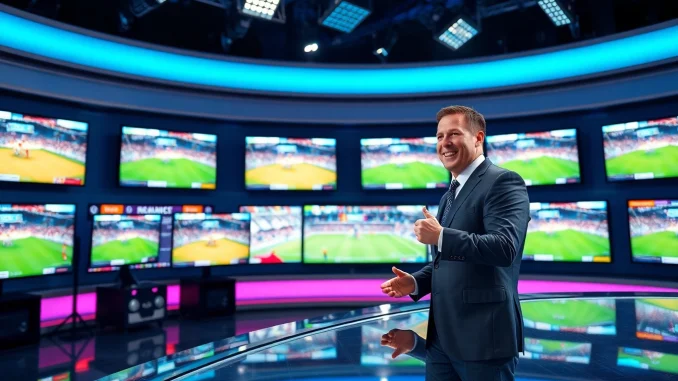
Understanding Sports Broadcasting
Overview of Sports Broadcasting
Sports broadcasting plays a pivotal role in today’s media landscape, connecting fans with live events, analysis, and highlights. As sports become more globalized, the demand for instant access to information is rising. Sports Broadcasting encompasses not only traditional television and radio but also digital platforms that allow fans to engage with their favorite teams and athletes. For those delving into this vibrant field, understanding its intricacies is crucial. The evolution from radio broadcasts to expansive streaming platforms marks a significant shift in how audiences consume sports content. In this context, embracing the digital revolution is paramount for those aspiring to thrive in sports media, especially in the realm of Sports Broadcasting.
Importance of Audience Engagement
Audience engagement serves as the lifeblood of sports broadcasting. With millions of viewers and listeners, broadcasters must find innovative ways to captivate audiences. Engaging fans can lead to higher ratings, increased ad revenue, and a loyal viewership. Techniques such as interactive polls during live broadcasts, responsive social media engagement, and personalized content can drastically improve audience connection. By catering to viewer preferences and behaviors, broadcasters can create a more immersive experience, encouraging repeat viewership and fostering community among fans. Effective metrics, like viewer feedback and participation rates, can further refine strategies aimed at enhancing audience involvement.
Key Platforms for Distribution
The variety of distribution platforms available for sports broadcasting has transformed the industry landscape. Traditional media, such as cable television, still holds significant sway, but the rise of online streaming services and social media platforms has revolutionized how sports content is delivered. Notably, services like OTT platforms allow viewers to watch live events and on-demand content from anywhere, catering to the mobile consumer. Moreover, platforms like Twitter, Instagram, and TikTok provide avenues for shorter clips and highlights, engaging younger audiences through bite-sized content designed for quick consumption. Understanding these platforms helps broadcasters tailor their content strategies to maximize audience reach and impact.
Essential Skills for Sports Broadcasters
Communication and Presentation Skills
At the core of effective sports broadcasting lies outstanding communication and presentation skills. Whether in the studio or on location at events, broadcasters must convey information clearly, engagingly, and accurately. This includes mastering vocal techniques such as modulation and pacing to enhance storytelling. Visual presentation adds another layer of engagement; a confident on-camera presence is essential as it builds trust with the audience. Successful broadcasters actively develop rapport with their audience, ensuring that viewers feel connected. Training in public speaking, media coaching, and practice can greatly enhance these skills, ensuring that broadcasters resonate well with their audiences.
Technical Proficiency in Broadcasting
As technology evolves, so too must the skills of sports broadcasters. Technical proficiency includes understanding equipment operation, software management, and audio-visual production techniques. Familiarity with broadcasting platforms, editing software, and graphic design can significantly enhance a broadcaster’s ability to create engaging content. Moreover, staying updated with technological advancements—such as 4K broadcasts, virtual reality, and augmented reality—allows broadcasters to create more immersive viewing experiences. Continuous learning and professional development through workshops and certifications are vital for staying competitive in this fast-paced field.
Crisis Management on Live Events
Live broadcasting often presents unforeseen challenges—from technical failures to sensitive situations involving athletes. Effective crisis management is crucial in these high-pressure moments. Broadcasters must remain composed, finding solutions while maintaining the professional quality of the broadcast. Preparation is key; having contingency plans and backup systems in place can mitigate many potential disruptions. Broadcasters should also develop quick thinking and adaptability, allowing them to pivot storylines or alter presentation dynamics as required. This level of professionalism not only preserves the broadcast’s integrity but also builds credibility and trust with the audience.
Creating Compelling Sports Content
Storytelling Techniques for Sports Broadcasting
Storytelling transcends mere play-by-play analysis—it transforms sports events into captivating narratives. Effective storytelling involves highlighting relatable moments, player backstories, and emotional highs and lows. Utilizing various storytelling formats—like interviews, human-interest pieces, and behind-the-scenes content—broadcasters can draw viewers into the unfolding drama of sports. Engaging commentary has the power to elevate play-by-play reporting, incorporating anecdotes and emotional insights that resonate with audiences. Illustrating a sport’s context enriches viewer understanding, encouraging a deeper connection to the events.
Utilizing Social Media for Engagement
Social media platforms have revolutionized audience engagement within sports broadcasting. Broadcasters leverage these platforms not just for announcements but to create a dynamic dialogue with fans. Sharing highlights, behind-the-scenes content, and live reactions cultivates an interactive experience, transforming passive viewers into active participants. Hashtags, polls, and live Q&As increase audience engagement, creating communities around shared sports interests. Crafting distinctive, engaging content tailored to each platform can enhance visibility and foster loyalty among fans, proving pivotal in today’s multimedia sports environment.
Visual Elements of Broadcast Design
The visual components of a sports broadcast significantly impact audience perception. Effective broadcast design—encompassing graphics, animations, and set design—enhances storytelling and retains viewer interest. Utilizing high-quality visuals, informative infographics, and real-time statistics transforms broadcasts from simple presentations to immersive viewing experiences. Moreover, consistency in branding and thematic elements across broadcasts promotes recognition and builds viewer loyalty. Broadcasters should work closely with graphic designers and production teams to ensure that visual elements align with content tone and audience expectations, resulting in cohesive and engaging broadcasts.
Performance Metrics in Sports Broadcasting
Measuring Viewership and Engagement
Understanding audience metrics is crucial for evaluating the success of sports broadcasts. Key performance indicators (KPIs) such as viewership numbers, viewer retention rates, and demographic analysis can provide insight into audience engagement levels. Monitoring social media interactions and online discussions can further reveal viewer sentiment and interests. Analytical tools can track these metrics over time, highlighting trends and informing future content strategies. Broadcasters using data-driven insights can refine their approach, ensuring their content remains relevant and resonates with viewers.
Understanding Audience Feedback and Ratings
Audience feedback is an invaluable resource in sports broadcasting. Viewer ratings and comments can reveal perceptions of broadcasts, helping identify strengths and areas for improvement. Surveys, focus groups, and social media sentiment analysis can provide insights into viewer preferences and expectations. Actively soliciting and responding to feedback fosters a sense of community among fans, illustrating broadcasters’ commitment to enhancing the viewing experience. By prioritizing audience needs, broadcasters can adapt their strategies to increase satisfaction and support viewer loyalty.
Analyzing Competitor Performance
In the competitive landscape of sports broadcasting, understanding the strengths and weaknesses of competitors is key to achieving success. Conducting thorough market analysis identifies best practices and innovative strategies that can inform a broadcaster’s own approach. Tracking competitor viewership numbers, engagement metrics, and content strategies through comprehensive research offers valuable insights. Additionally, identifying industry trends and shifts can provide opportunities for differentiation and growth. By positioning themselves against competitors, sports broadcasters can refine their unique selling propositions, attracting a dedicated audience.
Future Trends in Sports Broadcasting
Impact of Technology on Broadcasting
Advancements in technology are continuously reshaping the sports broadcasting landscape. Emerging technologies like 5G networking, artificial intelligence, and enhanced data analytics allow broadcasters to provide richer content experiences in real-time. Virtual reality (VR) and augmented reality (AR) promise to immerse viewers in ways never seen before, offering unique perspectives and interactive features that transcend traditional broadcasts. Adapting to these technological innovations will be essential for broadcasters to maintain relevance and meet evolving audience expectations.
The Rise of Streaming Services
Streaming services have revolutionized how sports content is consumed. The shift away from traditional cable packages toward subscription-based services has paved the way for a more personalized viewing experience. Viewers can access a wealth of sports content at their fingertips, catering to diverse interests and preferences. This trend emphasizes the need for broadcasters to create captivating content that retains subscribers and enhances viewer loyalty. As competition within the streaming arena intensifies, the challenge lies in delivering quality experiences while balancing affordability and accessibility.
Interactive Sports Broadcasting Experiences
The future of sports broadcasting lies in interactivity, as audiences increasingly demand a participatory role in their viewing experience. Integrating interactive features such as live stats, player-tracking, and real-time polls can enhance audience engagement during events. Furthermore, personalized content—tailored to individual preferences and viewing habits—creates a more relevant experience for fans. Collaborating with technology innovators and actively experimenting with interactive elements can help broadcasters capture and retain a dedicated audience, securing a winning formula for the future of sports media.
FAQs about Sports Broadcasting
What skills are essential for a sports broadcaster?
Key skills include strong communication abilities, technical proficiency with equipment, adaptability for live crises, and storytelling acumen to engage audiences effectively.
How do broadcasters measure audience engagement?
Metrics like viewership numbers, retention rates, social media interactions, and audience feedback provide valuable insights into engagement levels during broadcasts.
Why is social media important in sports broadcasting?
Social media enhances audience interaction, providing real-time engagement, content sharing, and community building, thus fostering a deeper connection with fans.
What trends are shaping the future of sports broadcasting?
Emerging trends include technological advancements like VR and AR, the rise of streaming services, and interactive content formats that elevate audience experience.
How can broadcasters create compelling content?
By employing storytelling techniques, leveraging high-quality visuals, and ensuring audience interaction, broadcasters can create engaging and memorable sports content.